
A Homeowner's Guide to Emergency Roof Repair After a Michigan Storm
Michigan weather is nothing if not unpredictable. One minute the sun is shining, and the next, high winds, hail, or heavy rain are battering your home. When a severe storm rolls through, your roof is the first and most important line of defense. But what happens when that defense is breached? The sound of a leak or the sight of a fallen branch on your roof can be incredibly stressful. Knowing what to do in the moments, hours, and days after the storm is crucial to protecting your home from further damage.
At Armor Roofing, we've helped countless homeowners in the Metro Detroit area navigate the aftermath of severe weather. This guide will walk you through the essential first steps, how to identify common types of storm damage, and what to expect from the repair and insurance process. Our goal is to give you the clarity and confidence to handle the situation like a pro.
Your First Steps: Safety and Damage Assessment
The moments after a storm can feel chaotic. Before you do anything else, prioritize your family's safety. Once the storm has passed and it's safe to go outside, you can begin to assess the situation. Here’s what to do:
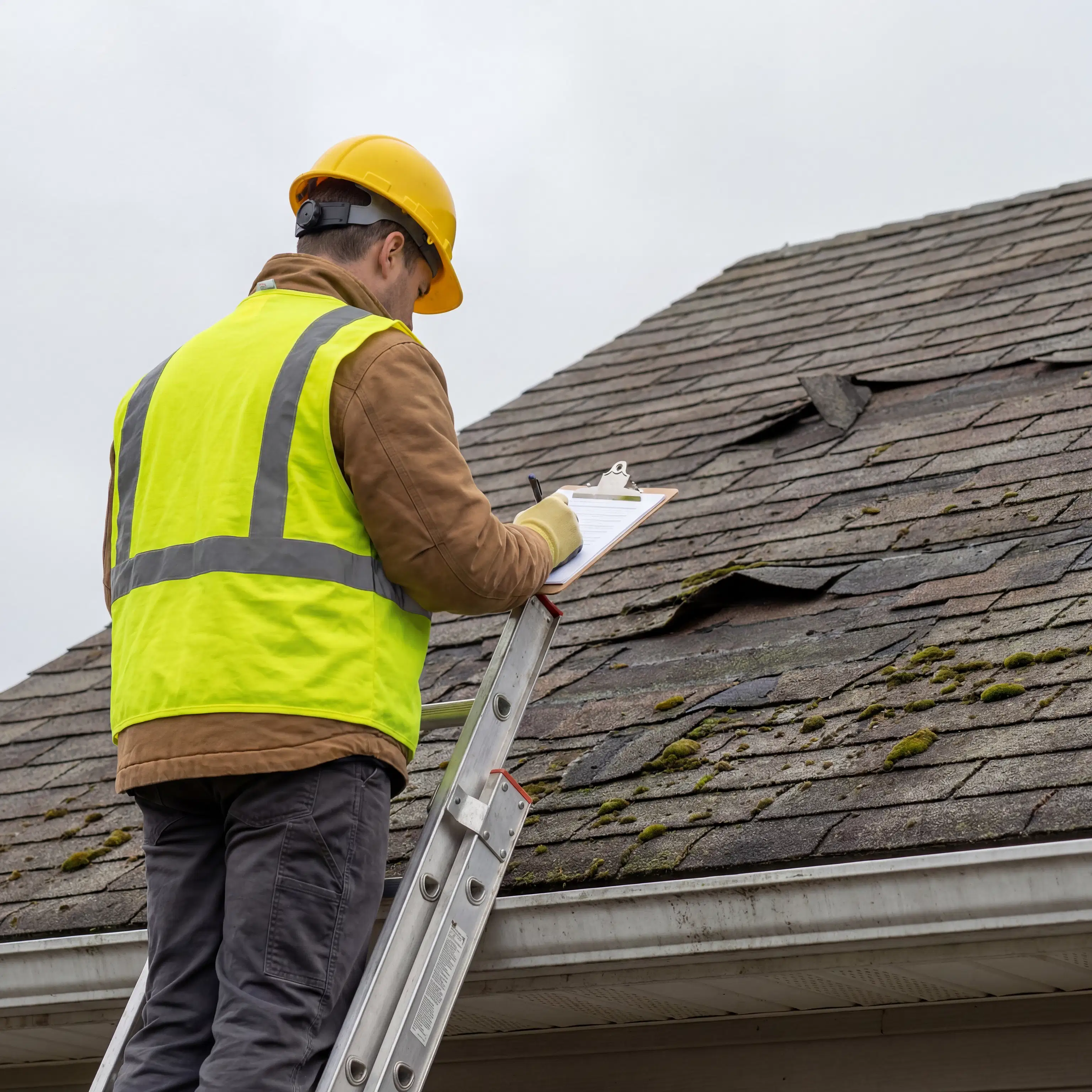
- Stay on the Ground: Never climb onto a wet or potentially damaged roof. It's extremely dangerous. Leave the close-up inspection to trained and properly equipped professionals. Look for obvious signs of damage from a safe distance.
- Look for Hazards: Be aware of any downed power lines, broken glass, or unstable tree limbs around your property. If you see any electrical hazards, contact your utility company immediately.
- Document Everything: Before anything is moved or touched, take photos and videos of the damage from multiple angles. Capture images of missing or damaged shingles, dents in gutters or vents, and any debris that has impacted your roof. This documentation is vital for your insurance claim.
- Check Inside: Head up to your attic and look for signs of water intrusion. Check ceilings on the top floor for any new water stains or discoloration. A small stain can indicate a much larger problem that needs immediate attention.
- Mitigate Further Damage: If you have an active leak, do what you can to minimize interior damage. Use buckets to catch dripping water and move valuable furniture or electronics out of the way. A professional roofer can perform emergency services, like installing a temporary tarp, to prevent more water from entering your home while you wait for repairs.
What to Look For: Identifying Common Storm Damage
Not all storm damage is as obvious as a tree branch through your roof. Some issues are subtle and can lead to serious problems over time if left unaddressed. Here are the most common signs of storm damage to look for:
- Wind Damage: High winds can lift, curl, or tear shingles completely off your roof, leaving the underlying layers exposed. Look for shingles that are bent back or creased, as this indicates that the seal has been broken, making them vulnerable to future leaks. You might also notice an excessive amount of shingle granules collecting in your gutters and downspouts.
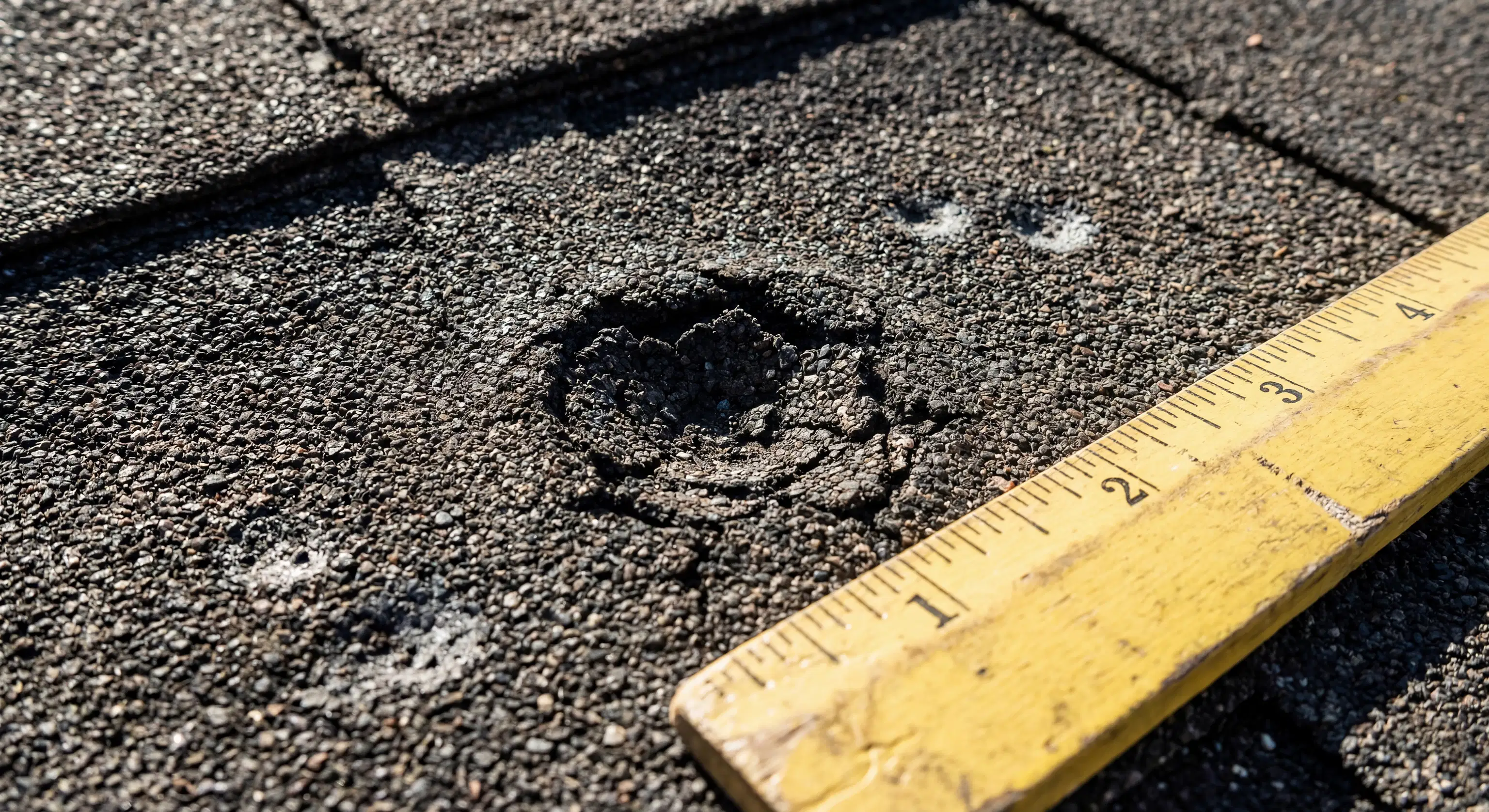
- Hail Damage: Hail can be particularly deceptive. It often leaves behind small, dark bruises or pockmarks on asphalt shingles where the protective granule layer has been knocked off. You may also see dents on metal flashing, roof vents, or gutters. This type of damage compromises the shingle's integrity and can drastically shorten your roof's lifespan.
- Debris Damage: Fallen limbs and other wind-blown debris can cause direct impact damage, leading to cracked or shattered shingles, punctures in the roof deck, or damage to the underlying structure.
If you notice any of these signs, it's crucial to get a professional inspection. What looks like a minor issue from the ground could be a sign of a significant problem that requires immediate attention.
Repair or Replace? Making the Right Long-Term Decision
One of the most common questions we hear is whether the damage warrants a simple repair or a full replacement. The answer depends on several key factors, and an honest contractor will walk you through the options.
A roof repair is often the best choice when:
- The damage is isolated to a small, specific area.
- Your roof is relatively new and the surrounding shingles are in excellent condition.
- The issue is minor, such as a few missing shingles from a wind gust.
A full roof replacement becomes the smarter investment when:
- The damage is widespread across multiple sections of the roof.
- Your roof is nearing the end of its expected lifespan, and the storm damage has accelerated its decline.
- There are recurring problems or leaks, suggesting the entire roofing system is beginning to fail.
- The cost of multiple, extensive repairs approaches a significant fraction of the cost of a new roof.
We always conduct a thorough inspection, including in the attic, to assess the full extent of the damage. This allows us to provide a recommendation that prioritizes the long-term protection and value of your home.
Navigating the Insurance Claim Process with a Trusted Partner
Dealing with insurance companies can be one of the most stressful parts of storm recovery. Having an experienced, local roofing contractor on your side can make all the difference. At Armor Roofing, we assist homeowners throughout the entire process to ensure you get a fair assessment and the coverage you're entitled to.
Our process involves:
- A Detailed Inspection: We perform a comprehensive inspection and document all storm-related damage with photos and detailed notes.
- Meeting the Adjuster: We can be on-site when your insurance adjuster arrives to walk the roof with them, pointing out our findings to ensure nothing is overlooked.
- Reviewing the Scope of Work: We'll review your adjuster's report to make sure it accurately covers the full scope of work required to restore your roof to its pre-storm condition, using the right materials and adhering to local building codes.
- Completing the Work: Once the claim is approved, our manufacturer-trained crews will complete the work to the highest standards of quality and safety.
Having a professional advocate ensures your claim is handled correctly from the start, giving you peace of mind that your home is in good hands.
Don't Wait – Protect Your Home Today
When it comes to storm damage, time is of the essence. A small, unaddressed leak can quickly lead to rotted decking, damaged insulation, and even mold growth inside your home. Taking swift action is the best way to protect your property and prevent small problems from becoming expensive disasters.
If your home in the Metro Detroit area has been impacted by recent weather, don't hesitate. Contact Armor Roofing today for a comprehensive and honest roof inspection. Whether you need emergency services, a targeted roof repair, or a full roof replacement, our team is here to restore your roof and your peace of mind. Contact us to schedule your free inspection.