
Roofing Guidelines for Detroit’s Historic District Homes
Owning a piece of history in Metro Detroit is a unique privilege. From the charming details of a classic Detroit Bungalow to the grand estates found in our older neighborhoods, these homes tell the story of our city's rich architectural heritage. However, when it comes time to maintain or upgrade these properties, homeowners often face a unique set of challenges. Replacing a roof on a historic home isn't just about keeping the weather out; it's about preserving the architectural integrity of the property while navigating strict local guidelines.
If you are wondering about historic district commission roofing standards or how to balance modern durability with classic aesthetics, you are not alone. At Armor Roofing, we understand the nuances of historic home exterior renovation guidelines and are here to help you protect your investment while honoring its past.
Understanding Historic District Commission Standards
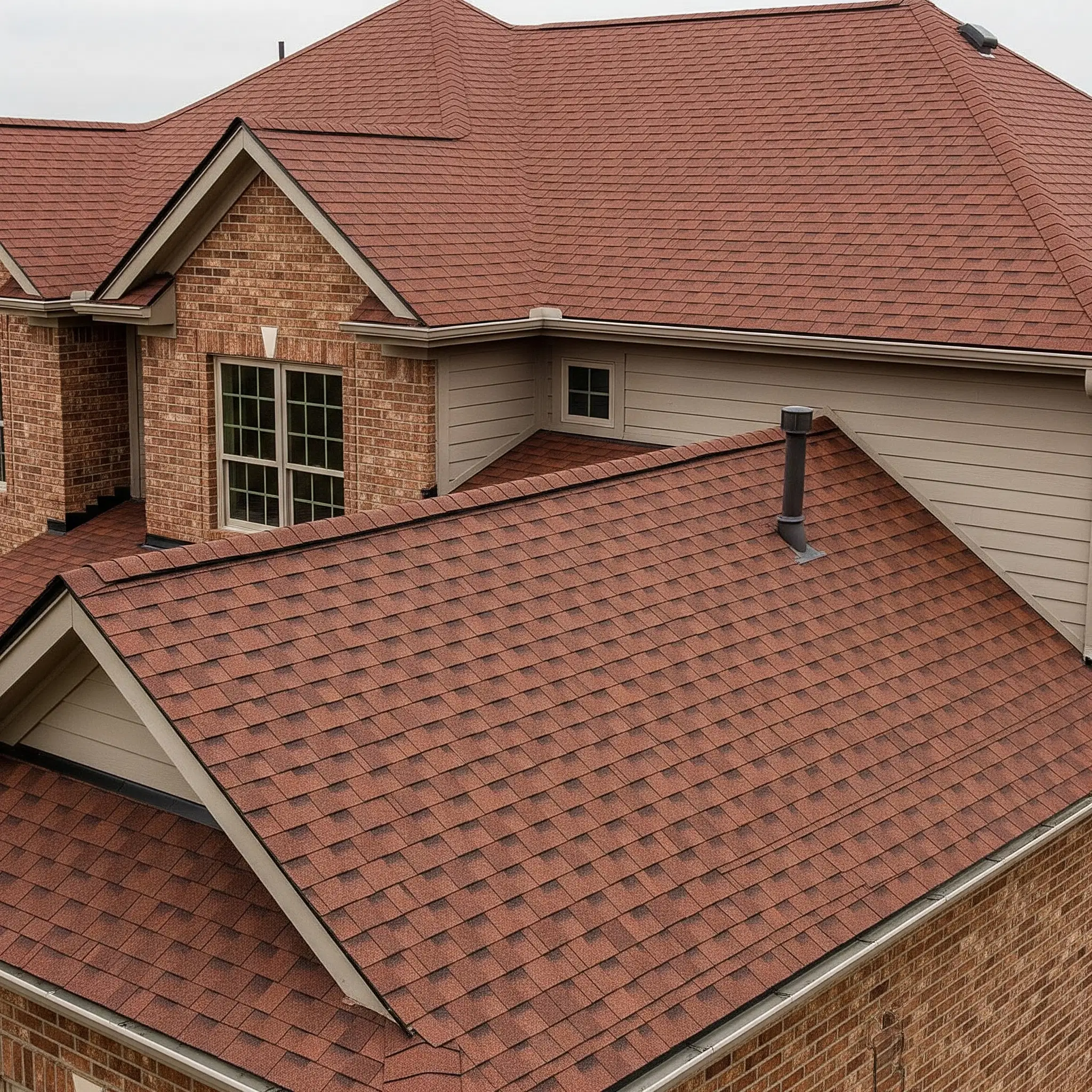
If your home is located within a designated historic district, any exterior changes must typically be reviewed and approved by a local historic district commission. These regulatory bodies are tasked with ensuring that renovations do not detract from the historical character of the neighborhood. This often means you cannot simply choose the cheapest or most modern-looking material available on the market.
Commissions usually look closely at the materials, colors, and profiles of the proposed roofing system. For example, if your home originally featured slate, tile, or specific wood shakes, the commission may require you to use the same materials or approve high-quality architectural shingles that closely mimic the original look. This is especially true in affluent historic areas like The Pointes, where preserving architectural integrity with new roofing is a top priority. Navigating these strict municipal permits and guidelines can cause administrative delays if you aren't prepared. Working with a contractor who understands these local requirements is crucial to keeping your project on track and ensuring your roof replacements are fully compliant.
The Hidden Challenges of Historic Roofs
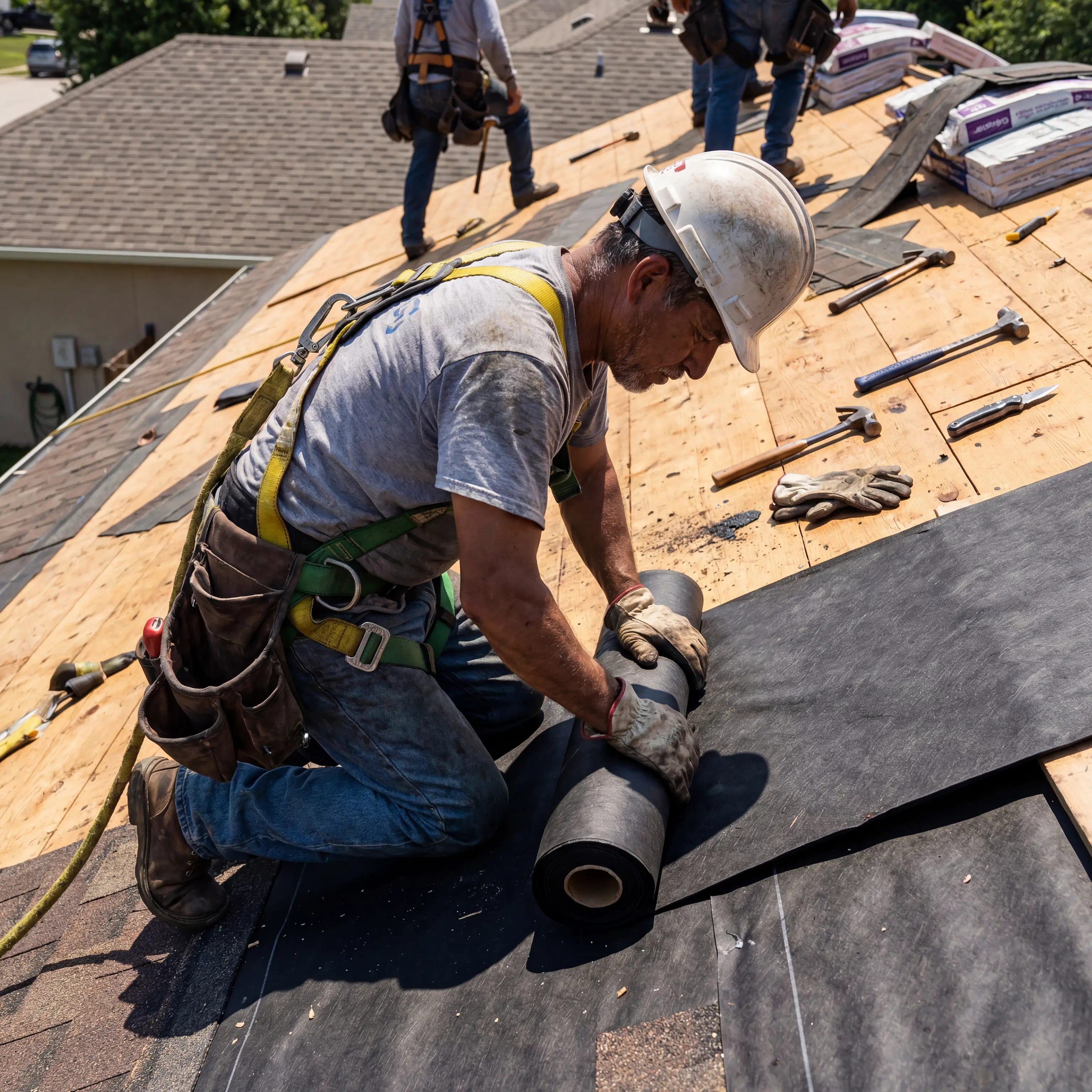
Older homes were built with different standards and materials than we use today. When we begin a project on a historic property, we don't just look at the surface. We perform a comprehensive attic inspection to identify potential underlying problems that could compromise a new roof. It is incredibly common to find original plank decking that has deteriorated over time, or to discover that previous owners simply added new layers of shingles over the old ones—a practice that adds immense weight and stress to the home's structural framing.
Additionally, many historic homes feature steep pitches, complex dormers, and unique architectural details that require a high level of skill to properly flash and waterproof. Our experienced crews understand how to handle these intricate details. If we find rotted wood or structural issues during the tear-off phase, we document everything with photos and provide upfront pricing for the necessary repairs. We believe in complete transparency, ensuring you are never caught off guard by unexpected costs while we bring your home's structure up to modern safety standards.
Balancing Preservation with Modern Durability
One of the most common questions we hear is how to make an older home more energy-efficient and resilient against harsh Michigan winters without ruining its historic charm. The good news is that modern roofing technology allows you to achieve both. Today's high-quality architectural shingles offer the dimensional look required by many historic boards while providing superior protection against heavy snow, ice dams, and high winds.
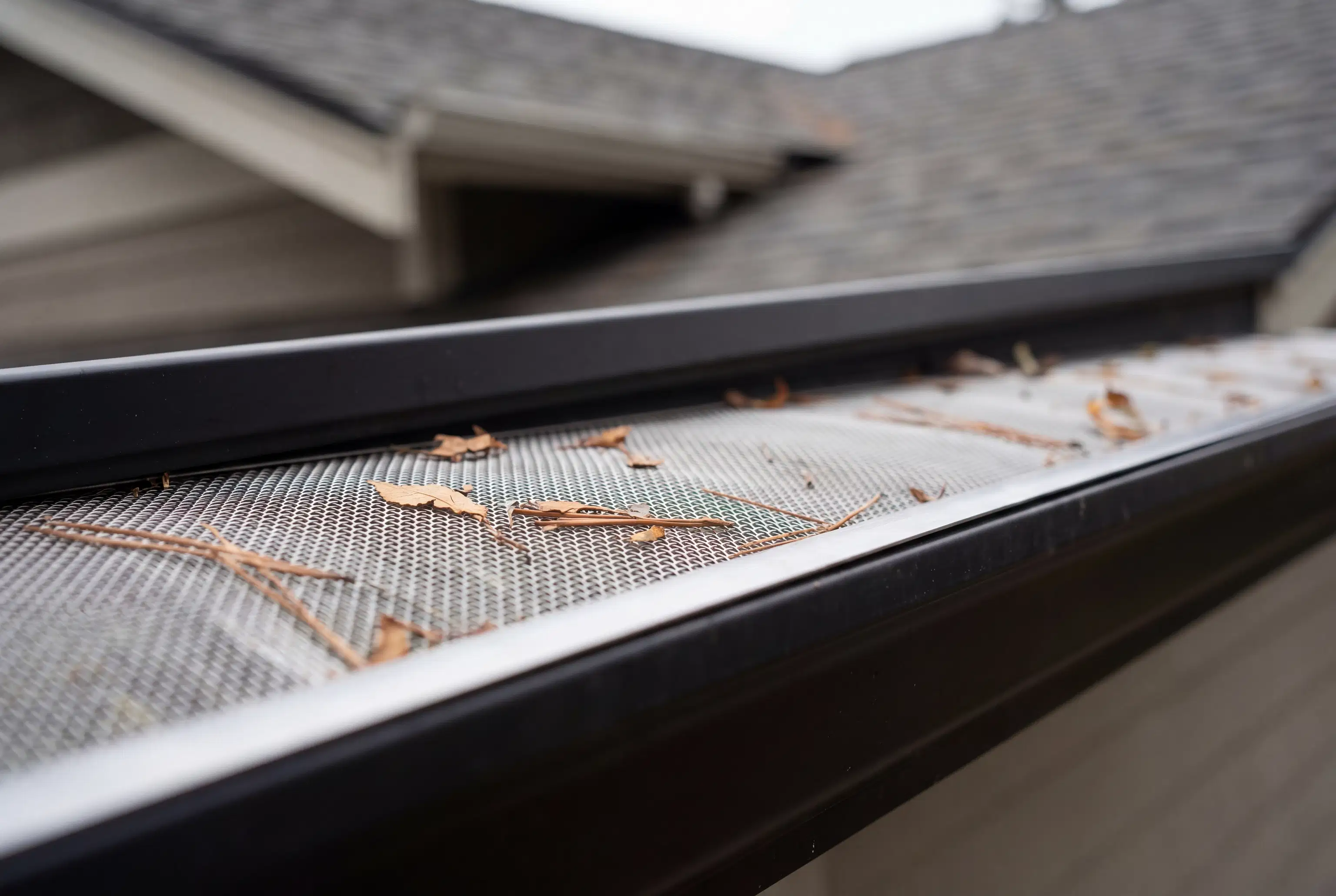
Proper attic ventilation is absolutely critical for energy savings and preventing ice dams in our climate, yet it was often overlooked in historic construction. We ensure the underlying structure is sound and properly ventilated before installing the new system. Furthermore, a holistic approach to your home's exterior can yield the best results. Upgrading your home with a historically appropriate window replacement can drastically improve energy efficiency while maintaining the original aesthetic. Similarly, a custom gutter replacement using seamless aluminum K-style gutters ensures proper drainage away from your historic foundation without detracting from the roofline's visual appeal.
Choosing a Trusted Local Partner
Intense competition and unlicensed out-of-state contractors can make it difficult to know who to trust with your historic home. When dealing with strict building codes and the need for meticulous craftsmanship, you need a fully licensed and insured Michigan contractor with deep local roots.
At Armor Roofing, we pride ourselves on being a hands-on, community-focused business. We don't just see a job site; we see a neighbor's home. Our crews are manufacturer-trained, and we offer the GAF Lifetime Roofing System, providing you with a lifetime warranty on shingles and workmanship coverage backed by GAF. This means you get the peace of mind that your historic home is protected against both manufacturer defects and installation issues for decades to come.
If you are ready to restore and protect your historic property, we are here to guide you through every step of the process, from the initial inspection to navigating local guidelines and final cleanup. Contact Armor Roofing today to schedule a consultation for your home in the Tri-County Area, and let us help you preserve your piece of history with confidence.